
Common Appliance Problems in Hanover Homes
A freezer in the basement of a 1960s Hanover colonial starts losing temperature overnight, and by morning the meat in the bottom drawer has thawed. That kind of slow failure is easy to miss until the damage is done. Across town, the housing stock ranges from older single-family homes with original kitchens to newer construction with modern layouts, and each setup brings its own appliance headaches.
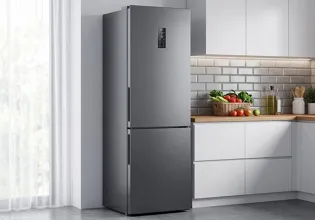
- Refrigerators that stop cooling often have a condenser coil caked with dust — especially in homes where the fridge is wedged into a tight alcove with poor airflow behind it.
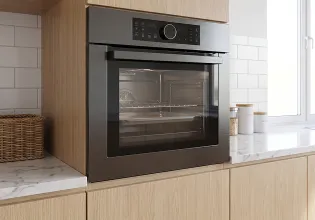
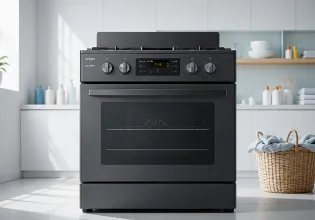
- Gas stoves and ovens that won't hold temperature or fail to ignite. We usually see this when the igniter has worn out gradually, and homeowners assume it's just slow to light.
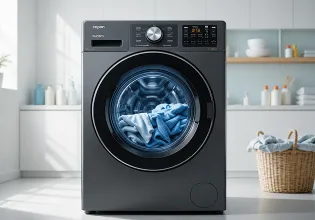
- Washers leaking from the bottom or refusing to drain. In older Hanover homes, the drain standpipe in the basement may be partially blocked with years of buildup, making it look like the washer itself is the problem.
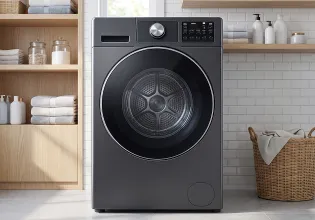
- Dryers running a full cycle but leaving clothes damp — worth checking the vent run first, since many homes here route the duct through a long basement path before it exits the wall.
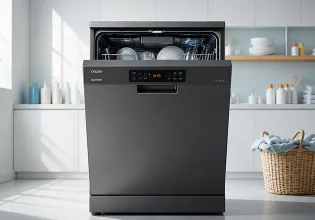
- Dishwashers not cleaning dishes or leaving standing water at the end of a cycle. A clogged filter or a kinked drain hose under the cabinet is often the cause.
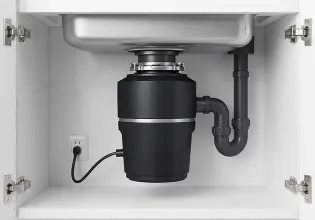
- Garbage disposals that hum but won't spin, usually jammed by a small object wedged between the impeller and the grinding ring.
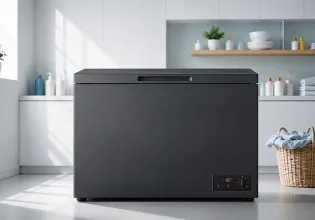
- Freezers building up heavy frost or warming above safe temperatures, sometimes caused by a failing door gasket that lets warm air seep in overnight.
Local Utility, Permit, Safety, and Disposal Factors in Hanover
When an appliance repair crosses into replacement territory — or when installation work touches gas, electrical, or plumbing connections — the Town of Hanover has specific permit requirements that homeowners should know about before the work begins. The Hanover Building Department permit requirements page spells it out: gas appliance installations and replacements need a gas permit, electrical work tied to an appliance swap requires an electrical permit, and plumbing permits apply to dishwasher and garbage disposal installations. In every case, the permit has to be pulled by a licensed contractor. That means if someone shows up to connect your new gas range and can't tell you their license number or confirm they're pulling a permit, pause the job.
Massachusetts backs this up at the state level. Under the Massachusetts State Plumbing Code, any plumbing or gas fitting work — including hooking up a gas dryer or connecting a dishwasher's water supply — must be done by a licensed professional. The Massachusetts Electrical Code requires the same for electrical work, whether it's wiring a new electric range circuit or replacing an outlet behind a refrigerator. Ask your installer to confirm the permit number after the job is done. That one step protects you if there's ever an inspection issue down the road.
Fire safety is the other side of this equation, and it matters more than most homeowners realize. The Hanover Fire Department fire prevention guidance covers gas appliance safety and dryer vent maintenance — two of the most common sources of residential fire risk. Under Massachusetts fire prevention regulations, every home in Hanover with a gas appliance must have working carbon monoxide detectors. If your gas oven has been acting up — delayed ignition, a faint smell near the burners, soot marks on the stovetop — get it looked at before assuming it's minor. A malfunctioning gas appliance is a CO risk, not just an inconvenience.
Dryer vents deserve their own mention. In many Hanover homes, the dryer sits in a basement corner and the vent duct runs ten or fifteen feet through the wall before reaching the exterior. That long run traps lint, restricts airflow, and forces the dryer to overheat. Cleaning the lint trap after every load helps, but the duct itself needs periodic clearing too.
Disposal rules also come into play once an appliance can't be saved. Hanover residents can't just set a dead refrigerator or washer at the curb on trash day. The Hanover DPW solid waste and recycling program requires that large appliances — white goods including refrigerators, freezers, washers, and dryers — be handled through special collection or drop-off rather than standard curbside pickup. As a member of the South Shore Recycling Cooperative, the town also participates in regional programs that help residents find approved disposal channels for these items. You can check the South Shore Recycling Cooperative disposal guidelines for current options.
Hanover Building Department
550 Hanover St
Hanover, MA 02339
Phone: (781) 826-2261
Official Website
What Makes Appliance Repair in Hanover Different
Hanover is a South Shore town where most of the housing stock is single-family homes — many built in the mid-twentieth century with original kitchens that were never designed for today's full-size appliances. That means a technician replacing a built-in dishwasher or sliding out a range often has to work around cabinets with non-standard dimensions, old shutoff valves that are stiff or corroded, and electrical panels with limited breaker capacity. A repair that takes an hour in a newer home can take longer here just because of access.
The permit structure also sets Hanover apart from towns that handle things more informally. Because gas, electrical, and plumbing permits all run through the Building Department at 550 Hanover Street — and each one must be pulled by a licensed contractor — there's a real compliance step built into every replacement job. Homeowners who understand this ahead of time avoid delays. And because large appliances can't go out with regular trash under the town's DPW rules, deciding to repair rather than replace often saves more than just the cost of a new unit — it saves the hassle of arranging special disposal through the town or the regional cooperative.
Appliance Replacement and Household Equipment Considerations in Hanover
When a repair no longer makes sense — the compressor on a fifteen-year-old refrigerator fails, or the drum bearing on a dryer gives out — replacement brings its own set of steps in Hanover that are worth thinking through before you order the new unit.
Start with disposal. You can't leave the old appliance at the curb. The Hanover DPW oversees solid waste and recycling for the town, and white goods like refrigerators and freezers require disposal through approved channels. Call the Department of Public Works at (781) 826-2691 to ask about current special collection options, or check with the South Shore Recycling Cooperative for regional guidance. Planning this before delivery day keeps a dead appliance from sitting in your garage for weeks.
Next, think about permits. If you're swapping a gas range for another gas range and the gas line doesn't move, the installer still needs to pull a gas permit through the Hanover Building Department. Replacing an electric dryer with a model that needs a different circuit? That's an electrical permit. Putting in a new dishwasher where one didn't exist before? Plumbing permit. The key thing for homeowners: confirm with your installer that they're handling the permit before the work starts, not after.
For homes with gas appliances, replacement is also a good time to check your carbon monoxide detectors. Massachusetts fire code requires them in every home with gas-burning equipment, and a new gas range or dryer installation is a natural reminder to test or replace aging detectors. The Hanover Fire Department can answer questions about detector placement if you're unsure whether your current setup meets code.
Finally, the Massachusetts Consumer Protection Law under Chapter 93A applies to every appliance repair and installation transaction in the state. If a contractor misrepresents the scope of work, charges for parts that weren't installed, or pressures you into an unnecessary replacement, you have the right to file a complaint with the Attorney General's office. Knowing that protection exists makes it easier to ask direct questions and hold service providers accountable.
Hanover Department of Public Works
268 Columbia Rd
Hanover, MA 02339
Phone: (781) 826-2691
Official Website
Areas We Serve Throughout Hanover
We provide appliance repair service to homes throughout the Town of Hanover. Because the town is primarily single-family residential with a mix of older and newer construction, the types of issues we see vary from one part of town to another — but the same town-wide permit and disposal rules apply everywhere.
- Hanover Center — Older homes near the town center often have compact kitchens where pulling out a range means working around a narrow doorway or a radiator that limits clearance.
- West Hanover — We frequently see dryer vent runs that exit through a basement wall on the far side of the house, adding length to the duct and increasing lint buildup risk.
- South Hanover — Homes closer to the Norwell line tend to have larger lots with standalone garages, and chest freezers in unheated outbuildings that struggle when temperatures swing between seasons.
- North Hanover — Many properties near the Rockland border have older electrical panels that may not support a modern electric range without a circuit upgrade, so it's worth checking breaker capacity before ordering a new unit.
- Assinippi — A mix of housing ages here means we see everything from original 1950s dishwasher plumbing to modern installations, sometimes in the same neighborhood.
- Four Corners — Homes in this area often have gas service, and we get calls about pilot light issues and igniter failures on gas ranges and ovens, especially during the colder months.
- Drinkwater — Basement laundry setups are common, and washers down here sometimes develop drainage problems when the standpipe is shared with an older floor drain.
- Curtis Crossing — Newer construction with tighter kitchen layouts where built-in dishwashers and garbage disposals are standard, but access behind the units can be limited by cabinetry.